You need a certified arborist in Redwood City in five situations: when a protected tree needs a city permit, when you want a real answer about whether a tree is dangerous, when you are building near mature trees, when a tree is declining and you do not know why, and when an insurance company, a buyer, or a neighbor dispute demands documentation. For most everything else, a good licensed tree crew is enough. The catch is that in this city, the ordinance often decides for you.
Redwood City protects a large share of the mature trees on private property, and its permit process leans on written findings from a certified arborist. That means the question is rarely “do I want to pay for an arborist” and more often “does this job legally require one before anyone starts a saw.” This guide sorts the situations that genuinely call for an ISA Certified Arborist from the ones that do not, with the current city rules verified against the ordinance and honest numbers on what each visit costs. Our crew is firefighter trained and our assessments are done by ISA certified arborists in Redwood City, so this is the same framework we use on real calls.
What a Certified Arborist Actually Is (and What a Tree Trimmer Is Not)
Anyone with a truck and a chainsaw can call themselves a tree trimmer. Arborist, on its own, is not a protected title either. The credential that means something is ISA Certified Arborist, issued by the International Society of Arboriculture. Earning it requires at least three years of documented, full-time tree care experience and passing an exam that covers tree biology, soil science, pruning standards, pest and disease management, and risk assessment.
That is a different thing from a contractor’s license. In California, the D-49 Tree Service classification from the Contractors State License Board authorizes a company to perform tree work over $1,000. The license makes the work legal. The certification means the person planning it understands how a tree will respond. A licensed crew without an arborist can execute a job well. What it cannot reliably do is tell you whether the job is the right one, and in Redwood City, it cannot write the report the city asks for when a protected tree is involved.
The practical division of labor looks like this:
| Task | Licensed tree crew | ISA Certified Arborist |
|---|---|---|
| Routine trimming of small, unprotected trees | Yes | Not needed |
| Hedge and ornamental maintenance | Yes | Not needed |
| Pruning plan for a mature or protected tree | Executes it | Writes it |
| Tree risk assessment with a written rating | No | Yes |
| Permit report for the city | No | Yes |
| Disease and pest diagnosis | Spot-check at best | Yes |
| Construction tree protection plan | No | Yes |
If a company tells you none of this matters, that is your answer about the company. Our vetting checklist for Bay Area tree services shows how to verify certification and licensing yourself in about ten minutes.
Situation 1: Your Tree Is Protected by the City Ordinance
This is the situation that forces the question most often, because it is not up to you. Redwood City’s Tree Preservation Ordinance, Chapter 35 of the Municipal Code, protects every tree on private property with a trunk of 38 inches or more in circumference, roughly 12 inches in diameter, measured at any point between 6 and 36 inches above the ground. Most established oaks, redwoods, and even many ornamentals in Redwood City neighborhoods clear that bar easily.
Two more categories are protected regardless of size. Street trees in the public right-of-way fall under a separate Street Tree Ordinance and belong to the city even if they shade your driveway. And any tree of any size can be designated a heritage tree by the Park and Recreation Commission if it is healthy, visible from a public right-of-way, and has historical significance, is indigenous to the area, or is part of a group of trees that depend on each other for survival.
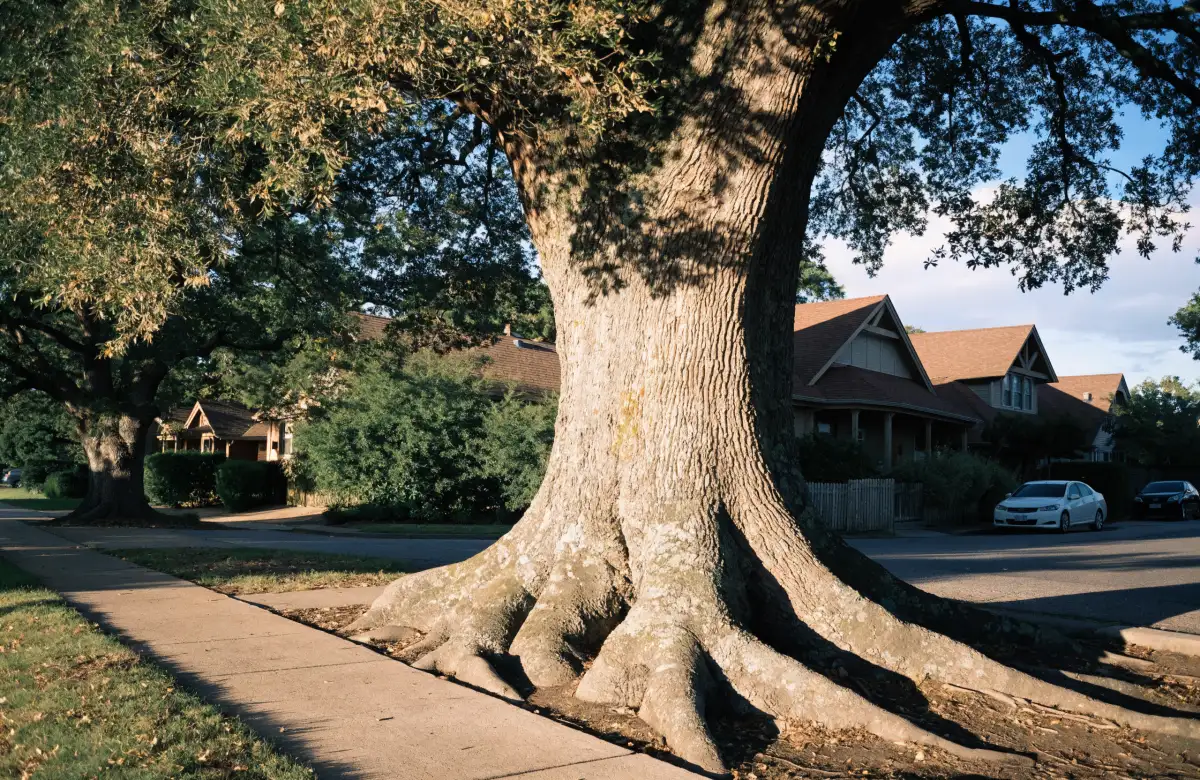
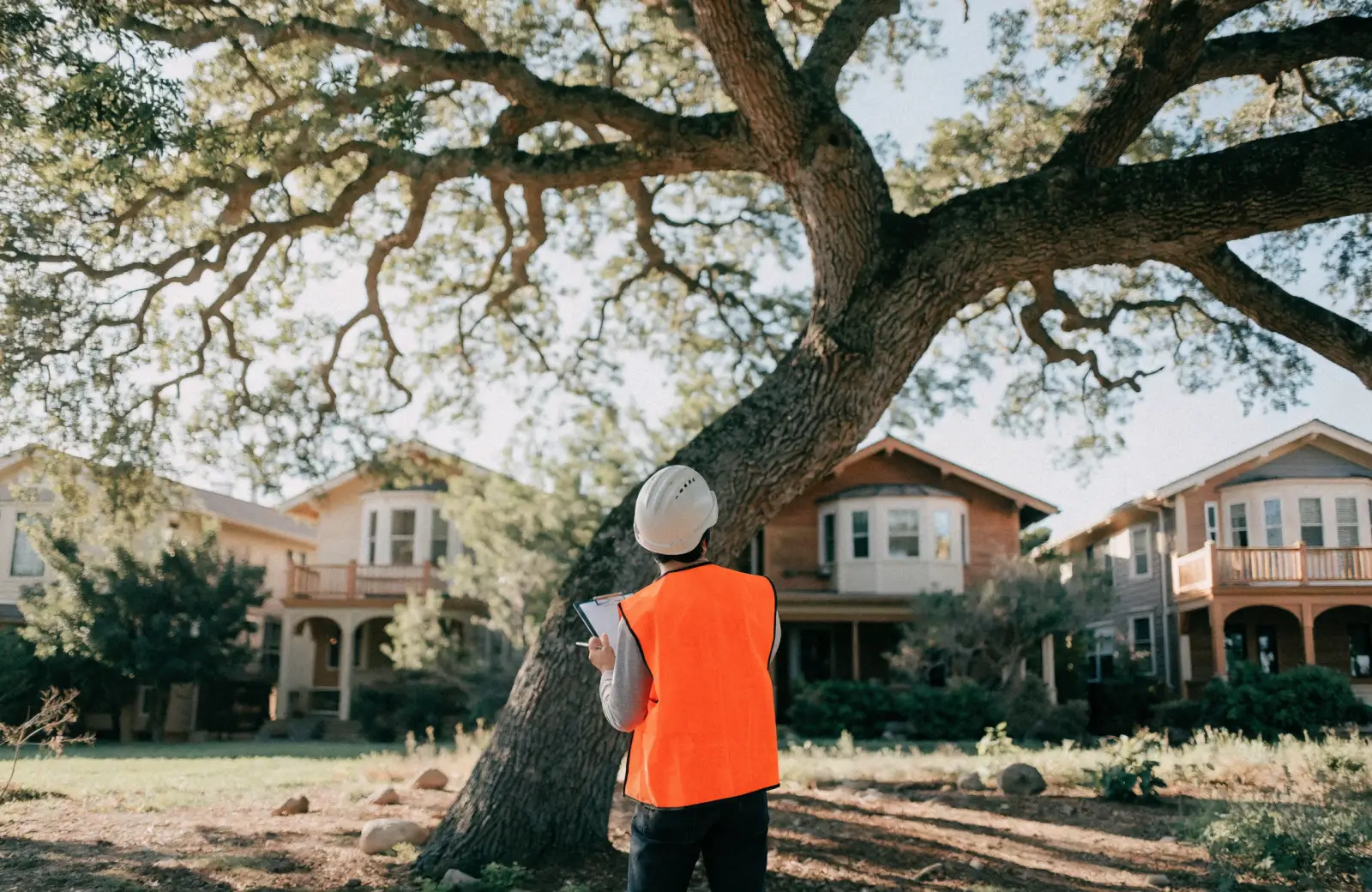
Once a tree is protected, you need a permit before pruning it or removing it, and this is where the certified arborist becomes non-negotiable. The city’s tree permit page confirms the permit is currently free and normally processed within ten working days, but the application’s submittal requirements call for a certified arborist’s written report: measurements, observations, and findings that speak to the criteria the city weighs, with a clear recommendation. Under Section 35.4 of the ordinance, the Parks and Recreation Director evaluates five factors, including the tree’s condition and danger of falling, the necessity of removal for reasonable use of the property, erosion and drainage effects, the tree stock of the surrounding neighborhood, and good forestry practice. A report that never addresses those factors does not help your application. A report built around them usually decides it.
The penalties for skipping the process are not theoretical. The city lists a $500 fine per tree for illegal pruning, and $500 per tree for illegal removal plus a required replacement tree equal to the appraised value of the one you took out. On a mature oak, that appraised value can be a five-figure number. Violations can even be prosecuted as misdemeanors. The full picture, including replanting rules and how the city weighs applications, is in our Redwood City tree permit guide, and the removal-specific walkthrough is in tree removal permits in Redwood City.
Situation 2: You Want a Real Answer About Whether a Tree Is Dangerous
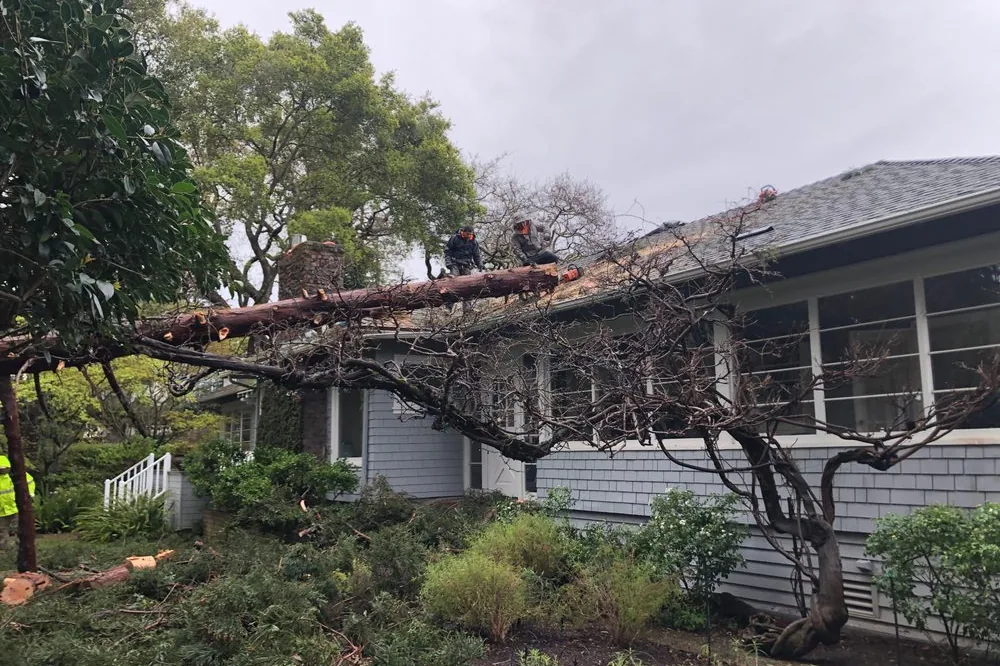
A lean that was always there, a crack you just noticed, mushrooms at the base, a dead limb over the play structure. These are risk assessment calls, and risk assessment is a specific discipline, not a glance from the driveway. Arborists who hold the ISA’s Tree Risk Assessment Qualification use a standardized method: identify the defect, judge the likelihood of failure, judge the likelihood of hitting something that matters, and weigh the consequences. The output is a documented risk rating and options, which usually include something short of removal.
That last part matters for your wallet. A crew that only sells removals will recommend removals. An arborist paid for an assessment can tell you the honest middle answers: reduce the end weight on one limb, cable the split trunk, reinspect in two years. If the tree is actively failing right now, skip the assessment and treat it as an emergency. Our guide on when to call an emergency arborist sorts the situations that cannot wait until morning, and our 24-hour emergency tree removal page covers what that response looks like and costs.
Situation 3: You Are Building or Remodeling Near Trees
Construction kills more mature trees in the Bay Area than storms do, and it kills them slowly. Trenching through a root zone, grading, compacting soil with equipment, or paving over roots can take three to five years to show up as canopy dieback, long after the contractor is gone. By then there is no fixing it.
A certified arborist brought in at the design stage writes a tree protection plan: fencing at the correct distance, no-dig zones, root pruning done cleanly instead of ripped by a backhoe, and monitoring during the build. If the affected tree is protected, Redwood City will expect arborist involvement as part of the project’s tree permit anyway, and subdivision maps must designate every tree to be removed or retained before approval. Getting the arborist in early is dramatically cheaper than discovering mid-project that you need a report before the next inspection.
Situation 4: The Tree Is Declining and You Do Not Know Why
Thinning canopy, early leaf drop, bleeding cankers, sawdust at the base. Redwood City’s tree stock has specific enemies: Sudden Oak Death in coast live oaks, pitch canker and bark beetles in Monterey pines, root rot in redwoods stressed by grade changes. Diagnosis is pattern recognition backed by lab work when it counts, and treating the wrong problem wastes a season you may not have.
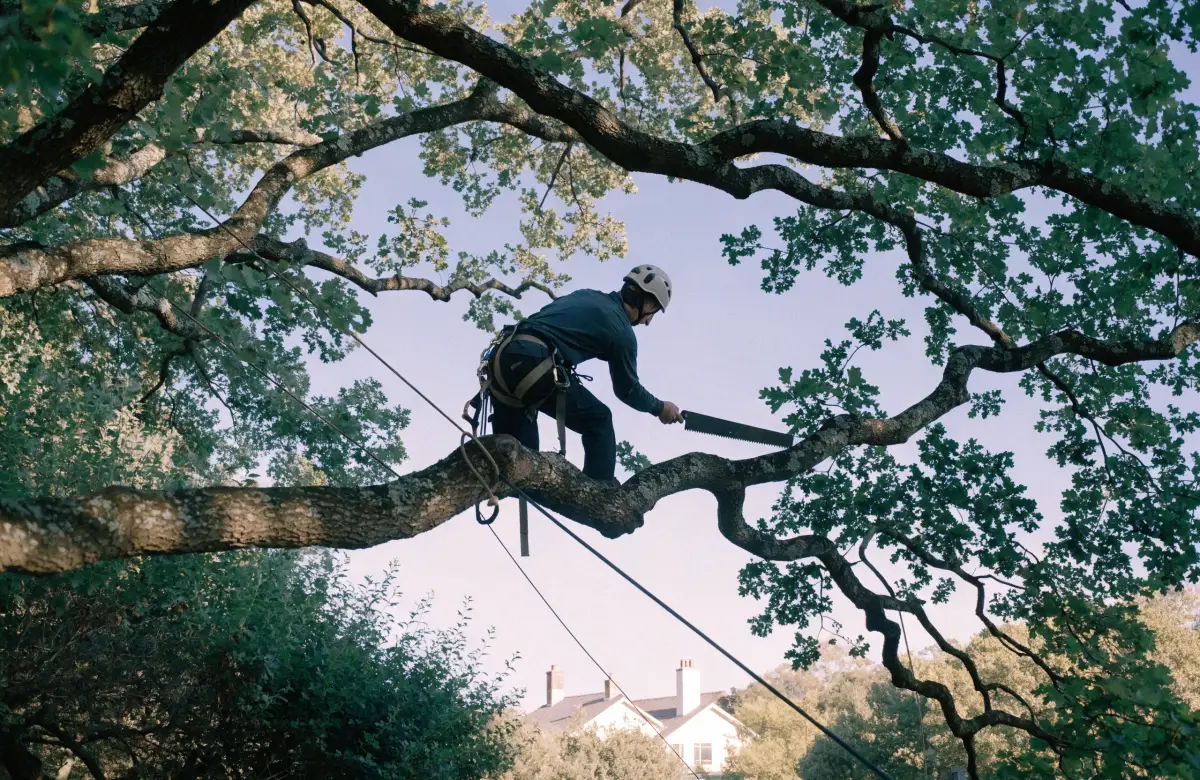
An arborist can tell you whether the tree is treatable, what treatment actually has evidence behind it, and when removal is the safer spend. Catching disease early is frequently the difference between a $300 treatment plan and a $6,000 removal. If you suspect oak disease specifically, start with our guide to Sudden Oak Death in the Bay Area, then get eyes on the tree through a professional tree health inspection.
Situation 5: You Need Paperwork That Stands Up
Some arborist work is really document work. An insurance carrier deciding whether that failed limb was foreseeable. A buyer’s inspector flagging the leaning redwood in escrow. A neighbor dispute over a shared oak, where California law is narrower than most people assume, as we cover in neighbor trees and overhanging branches under California law. An HOA board that needs to justify spending on common-area trees.
In every one of those, a certified arborist’s written report carries weight that a contractor’s verbal opinion does not, because it is signed by a credentialed professional using recognized methods. Insurance adjusters, city planners, and attorneys all treat it accordingly. If there is any chance a tree decision ends up contested, get it in writing from someone certified before the cutting starts, not after.
When You Do Not Need an Arborist
Honesty cuts both ways, so here is the other side. You do not need a certified arborist to trim a young ornamental under the 38-inch line, shape a hedge, clear fruit tree suckers, or remove a small dead tree that is not a street or heritage tree. A licensed, insured crew handles that work well at a lower rate, and paying arborist consulting fees for it is money wasted.
The rule of thumb: if the tree is protected, the answer involves the city, or the question is “is this safe” or “what is wrong with it,” bring in the arborist. If the tree is small, unprotected, and the job is routine maintenance, a quality tree service in Redwood City is all you need. When the job is major pruning on a mature tree, the ideal is both: an arborist writing the prescription to ANSI A300 standards and a trained crew executing it, which is how our tree pruning service in Redwood City runs protected-tree jobs.
What a Certified Arborist Costs in Redwood City
National cost guides and Bay Area pricing land in the same ranges, so here is the honest picture:
| Service | Typical cost |
|---|---|
| Basic on-site consultation, single tree | $75 to $150 |
| Hourly consulting rate | $100 to $250 |
| Written report, single tree (permit or insurance) | $150 to $450 |
| Written report, multiple trees or full site | $450 to $700+ |
| Construction or development tree report | $400 to $1,000 |
Two things keep those numbers reasonable. First, bundling matters: having five trees assessed in one visit costs far less than five separate visits. Second, many companies, ours included, credit the assessment fee toward the work if you move forward, which makes the consultation effectively free when the tree genuinely needs attention. What you are really buying is the difference between guessing and knowing, on a decision where guessing wrong can cost an appraised-value replacement tree, a denied insurance claim, or a limb through the roof.
FAQ
Do I need an arborist report to remove a tree in Redwood City? If the tree is protected, meaning 38 inches or more in circumference measured between 6 and 36 inches above the ground, or a designated heritage tree, yes. The city permit application calls for a certified arborist’s written report with measurements, observations, and a recommendation addressing the removal criteria. The permit itself is currently free and normally processed within ten working days.
What is the difference between an ISA Certified Arborist and a licensed tree contractor? The D-49 contractor’s license makes tree work legal. ISA certification means the person has three or more years of documented experience and passed an exam on tree biology, pruning standards, and risk assessment. The license lets someone do the work. The certification means they know what the work should be. For permits, diagnosis, or risk, you want both.
How much does a certified arborist cost in Redwood City? A basic single-tree consultation runs $75 to $150, hourly rates run $100 to $250, and a written single-tree report typically costs $150 to $450. Multi-tree or construction reports run $450 to $1,000. Many companies credit the assessment fee toward recommended work.
Can I prune my own protected tree without a permit? No. Redwood City requires a permit before any work on a protected tree, including pruning. The fine for illegal pruning is $500 per tree. Trees under 38 inches in circumference that are not heritage or street trees can be pruned without a permit.
My tree looks like it could fail right now. Do I have to wait for a permit? No. The ordinance allows emergency removal of a hazardous tree with the permission of a member of the Police, Fire, or Park departments. Photograph everything first, have your tree company coordinate the authorization, and keep the documentation for insurance.
Does Redwood City charge for tree permits? No, permits are currently free and normally processed within ten working days. The real costs are the arborist report that supports the application, and the penalties if you skip it: $500 per tree plus a replacement tree equal to the appraised value of the one removed.
Not sure which situation you are in? Send us a photo of the tree and a tape measurement of the trunk, and we will tell you straight whether you need a permit, a report, or just a crew. Call Firefighter Tree Service at (650) 454-0373 for an honest assessment from an ISA certified arborist.