Tree removal raises property value in one clear situation: when the tree is dead, hazardous, or actively damaging your home. Removing a healthy, mature tree usually does the opposite, because buyers on the Peninsula pay for the shade, privacy, and established feel that a big tree gives a lot. So the honest answer is that it depends entirely on the tree, and the difference between a smart removal and an expensive mistake often comes down to which one you have.
As a firefighter-owned crew, we walk onto a property looking for what could go wrong first. That habit shapes how we answer this question. We have stood in a lot of Redwood City and Atherton backyards with a homeowner who assumed cutting a tree down would automatically add value, and had to explain why it might not. This guide gives you the same straight answer we give them, including the parts most tree-service blogs leave out.
Does Removing a Tree Increase Property Value?
Removing a tree increases property value only when the tree is a liability, not an asset. A dead, dying, leaning, or structurally failing tree lowers your home’s value because it reads as risk and deferred maintenance to every buyer and inspector who sees it. Take that tree out and you remove the liability, which is where the value bump comes from. Remove a healthy, well-placed shade tree and you have usually erased value instead of adding it.
This is the single point almost every homeowner gets backwards. The value is not in the act of removal. It is in getting rid of a hazard. If you are trying to decide whether your specific tree helps or hurts, the rest of this guide walks through both sides so you can place your tree in the right column before you spend a dollar.
When Tree Removal Increases Property Value
Tree removal increases property value when the tree threatens the home, the people, or the systems around it. In these cases the tree is already costing you value by sitting there, and removing it is a straightforward win. Here are the situations where taking the tree down almost always helps.
- The tree is dead, dying, or structurally unsound. A dead tree near the house is the clearest value-killer there is. Buyers see a future insurance claim, and home inspectors flag it in writing. If you are not sure whether your tree has crossed that line, the warning signs that a tree needs to come down are worth reviewing before you decide.
- Roots are damaging the foundation, driveway, or sewer line. A tree that is cracking your slab or invading your sewer lateral is generating repair bills, and those show up on disclosure. We cover how tree roots damage foundations and sewer pipes in detail, because this is one of the most expensive problems a tree can cause.
- The tree blocks the home’s best light or view. In the Bay Area, natural light and a hillside or bay view carry real money. A tree that turns living rooms dark or hides the exact view a buyer is paying for is suppressing the price.
- It is an invasive or high-maintenance species. Trees like tree-of-heaven spread aggressively, crowd out better plants, and signal ongoing work to a buyer. Replacing one with a desirable species usually reads as an upgrade.
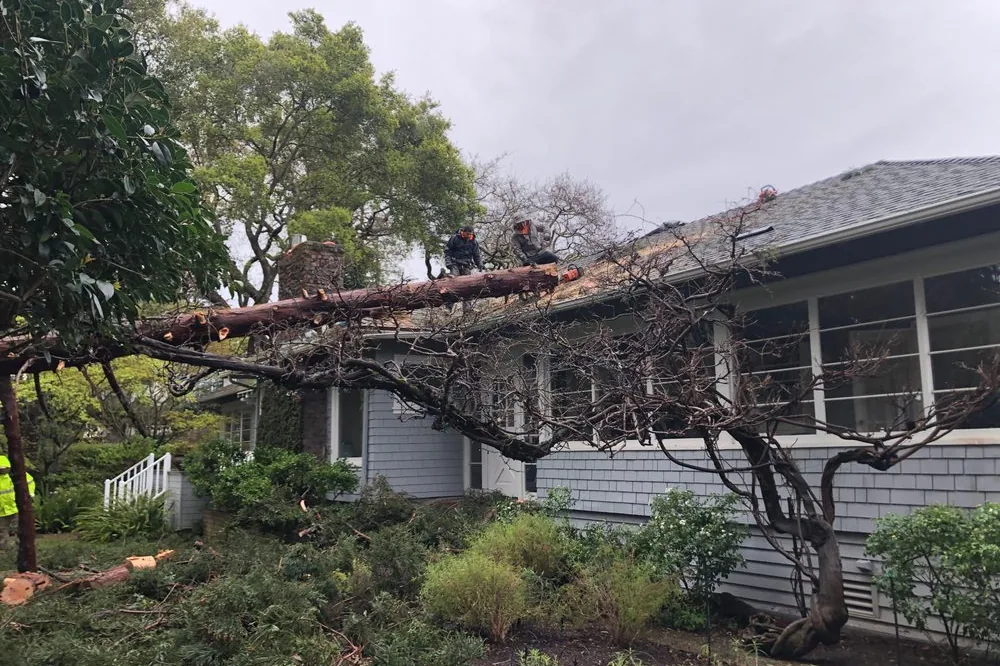
- The tree is too close to the house. A large tree crowding the roofline worries buyers even when it is healthy, because they picture limbs on the roof in the next winter storm.
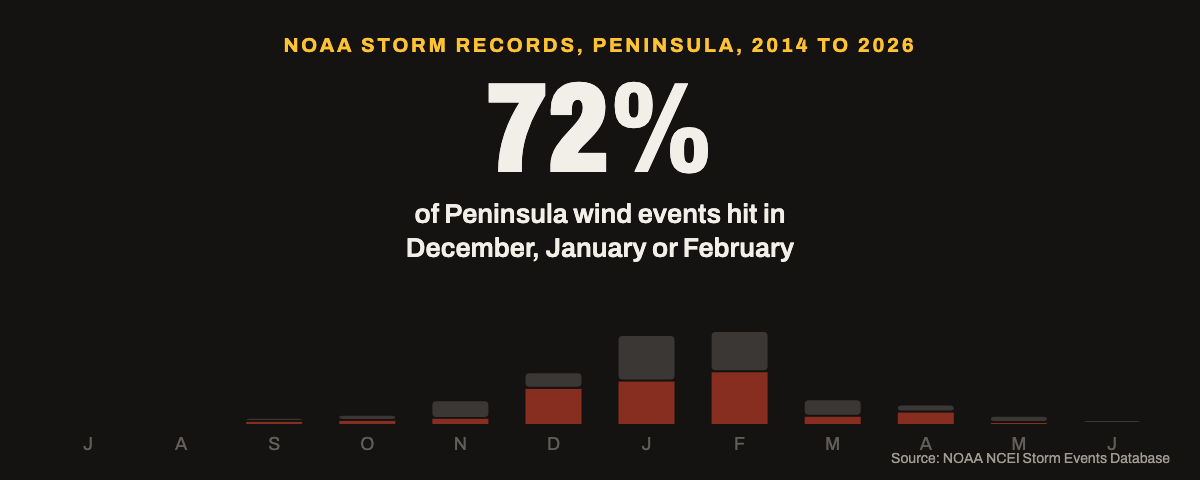
The common thread is safety and cost. When a tree is a source of risk or expense, removing it protects the value you already have. That is also why hazard removals are the one category where homeowners rarely regret the decision.
When Tree Removal Lowers Property Value
Removing a healthy, mature tree usually lowers property value, and this is where good intentions cost people the most money. A large, well-placed tree is an asset that buyers notice and pay for, so cutting it down without a strong reason subtracts from your home instead of improving it. Watch out for these situations before you call anyone.
- You would be removing a healthy shade tree. Mature shade cuts summer cooling costs and makes a yard usable. Take it out and you add years of higher energy bills for the next owner.
- The tree provides privacy or screening. Peninsula lots sit close together. A tree that screens a neighbor’s second story or a busy road is doing quiet, valuable work.
- You are clearing a lot to “open it up.” Clear-cutting rarely adds value and often removes it. Buyers who wanted a wooded lot will not pay more for a bare one.
- The tree is a signature part of the property. A grand oak out front is often the feature that makes a home feel established. Established landscaping is hard to fake and slow to replace.
Real user language backs this up. On homeowner and appraisal forums, the repeated verdict is that mature trees near a home add value unless they are dangerous or causing damage, and that clear-cutting a lot is “unlikely to add value, and may remove value.” That matches what we see in the field. If your only reason for removal is leaf cleanup or a vague wish for more open space, the math usually does not work in your favor.
How Much Value Are We Actually Talking About?
Trees affect home value by a meaningful but often overstated amount, and it helps to separate the honest numbers from the marketing ones. The Arbor Day Foundation points to research showing that homes with mature street trees sold for around $7,130 more and 1.7 days faster than comparable homes without them. Other studies put the range of a treed lot’s premium anywhere from a few percent to the low teens, depending heavily on the neighborhood and the tree.
Here is the part most articles skip. Arborists and appraisers who work with these numbers every day tend to describe the real-world lift from a healthy tree as closer to 1 to 5 percent in a typical subdivision, not the 10 to 20 percent you see quoted in listicles. Trees also help you sell faster more reliably than they raise the sale price dollar for dollar. So the realistic outcome of keeping a good tree is a home that shows better and moves quicker, and the realistic outcome of removing a hazard tree is a home that no longer carries an obvious red flag. Both are worth money. Neither is a lottery ticket.
What an Appraiser Actually Does With Your Trees
An appraiser almost never assigns your trees a separate line-item dollar value, which surprises most homeowners. Formal residential appraisals lean on comparable sales, square footage, condition, and lot size, and trees fold into a general sense of the lot rather than getting priced tree by tree. Published arboriculture research is blunt about it: most real estate appraisers are “not adequately prepared to place a value on existing vegetation” and, when they do, they apply a broad incremental markup of roughly 5 to 20 percent to a treed lot instead of a detailed evaluation.
What this means for you is practical. Do not expect an appraisal to reward you for a specific tree, and do not expect it to punish you line by line for removing one. Trees move value through buyer demand, curb appeal, and hazard perception, not through an appraisal spreadsheet. The one exception is when a tree is genuinely valuable enough to appraise on its own, such as a large heritage specimen, in which case a certified arborist, not a home appraiser, does that valuation using a recognized plant-appraisal method. If a mature tree on your lot is being damaged or removed by someone else, that arborist valuation is also how you document the loss.
Before You Sell: Which Trees to Remove and Which to Leave
Before listing, remove the trees that scare buyers and keep the trees that attract them. That single rule prevents most pre-sale tree mistakes. If you are getting a home ready for market, work through your yard in this order:
- Deal with anything dead or hazardous first. These are the trees that show up in inspection reports and buyer walkthroughs, and they are the removals most likely to pay for themselves.
- Fix, do not remove, the trees that just look neglected. A healthy tree that is overgrown often needs pruning, not removal. Cleaning up the canopy restores curb appeal at a fraction of the cost and keeps the asset.
- Leave the healthy signature trees alone. The big, attractive tree that makes your home feel established is usually helping you. Removing it right before a sale is rarely worth it.
- Budget realistically and get the timing right. Removal on the Peninsula is not cheap, so know the cost to remove a tree in the Bay Area before you commit, and schedule it early enough that stump grinding and cleanup are done before photos.
The immediate payoff is a yard that photographs clean and shows no obvious red flags on inspection day. That is often the difference between an offer that sails through and one that stalls over a scary-looking tree in the side yard.
On the Peninsula, You May Not Be Allowed to Remove It
Many Peninsula homeowners cannot legally remove a tree on their own property without a city permit, and this catches sellers off guard constantly. Redwood City, Palo Alto, Atherton, Woodside, Menlo Park, and much of the rest of the area protect trees over a certain size or species under local preservation and heritage-tree ordinances. Cutting a protected tree without approval can mean fines and a compliance headache that lands in the middle of your escrow.
This is a real differentiator between removing a tree here and removing one in most of the country, and it is not optional to check. Before you plan any removal tied to a sale, confirm whether your tree is protected and what the permit process looks like. Our Redwood City tree permit guide walks through the local rules, and the same caution applies in the neighboring towns. A permit does not usually stop a legitimate hazard removal, but skipping it can turn a value-adding decision into a violation.
Getting a Professional Assessment Before You Decide
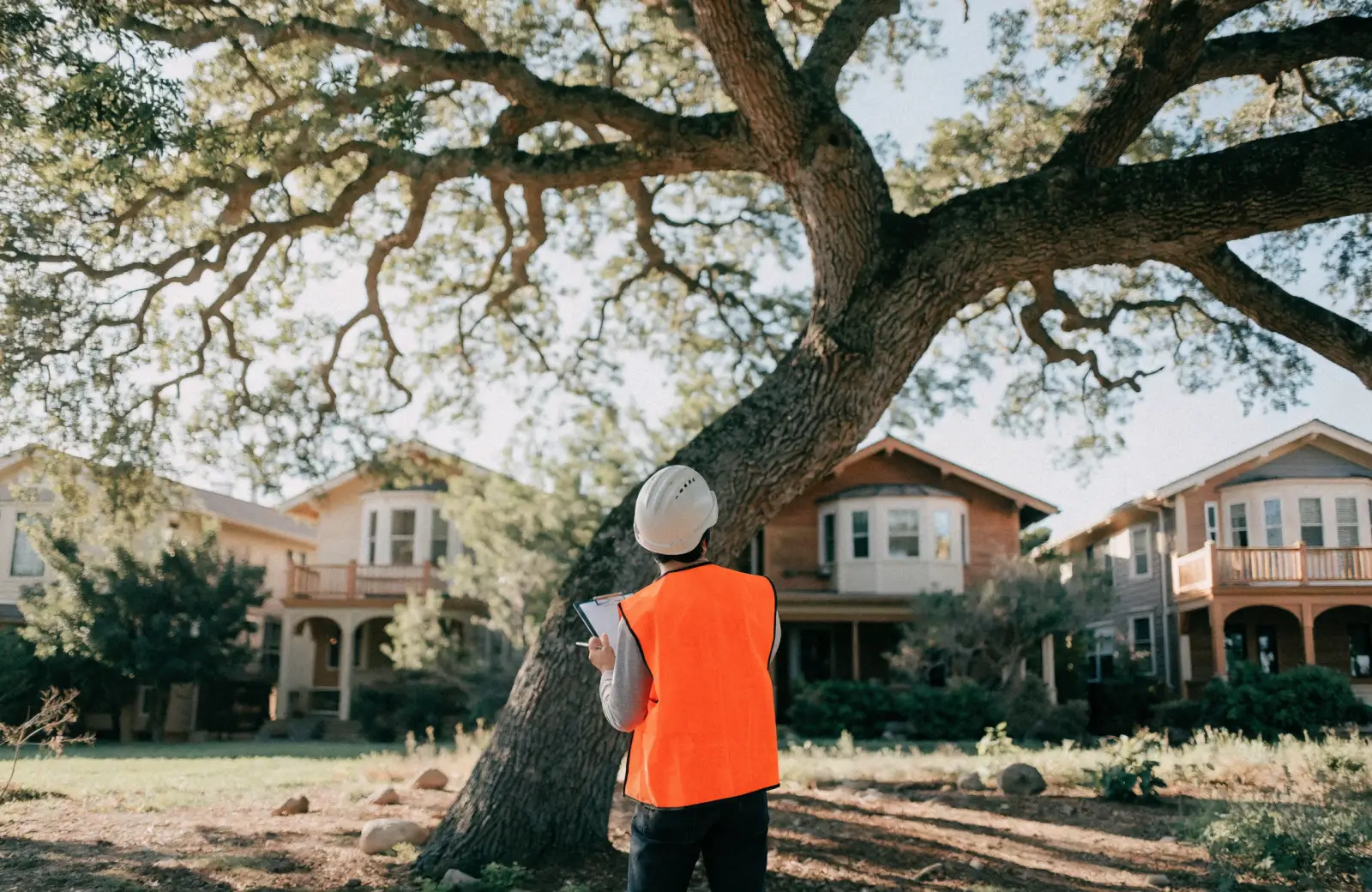
The smartest move before removing any tree for property-value reasons is a professional assessment, because a certified arborist can tell you in one visit which column your tree belongs in. An ISA-certified arborist evaluates the tree’s health, structure, and risk, factors in its location and species, and gives you an honest read on whether removal helps or hurts your home’s value. The International Society of Arboriculture explains why a qualified arborist is the right person to judge a tree’s condition and worth, rather than guessing from a blog post or a neighbor’s opinion.
That assessment is where perspective beats a rule of thumb. We have talked homeowners out of removals that would have cost them value, and we have fast-tracked others where a dead tree was a genuine liability. Firefighter Tree Service offers a tree health inspection that gives you a documented, no-pressure evaluation you can hand to a buyer or use to plan your listing. Walk away from it and you have a clear decision instead of a guess, which is the whole point before you spend money on a chainsaw.
Talk to Firefighter Tree Service Before You Remove a Tree
Deciding whether a tree helps or hurts your Bay Area home’s value is exactly the kind of call worth getting right the first time. Firefighter Tree Service is a firefighter-owned, ISA-certified crew that has served more than 500 residential properties across the Peninsula and South Bay, and we bring the same safety-first discipline to your yard that we bring to the fire station. When you are ready for a straight answer, schedule professional tree removal or a health assessment and we will tell you honestly whether the tree should stay or go. Call us at 650-454-0373 before you make a decision you cannot undo.